
Programação reuniu autoridades, entidades e instituições financeiras para promover o intercâmbio de experiências e ampliar a cooperação entre os sistemas financeiros brasileiro e de Macau
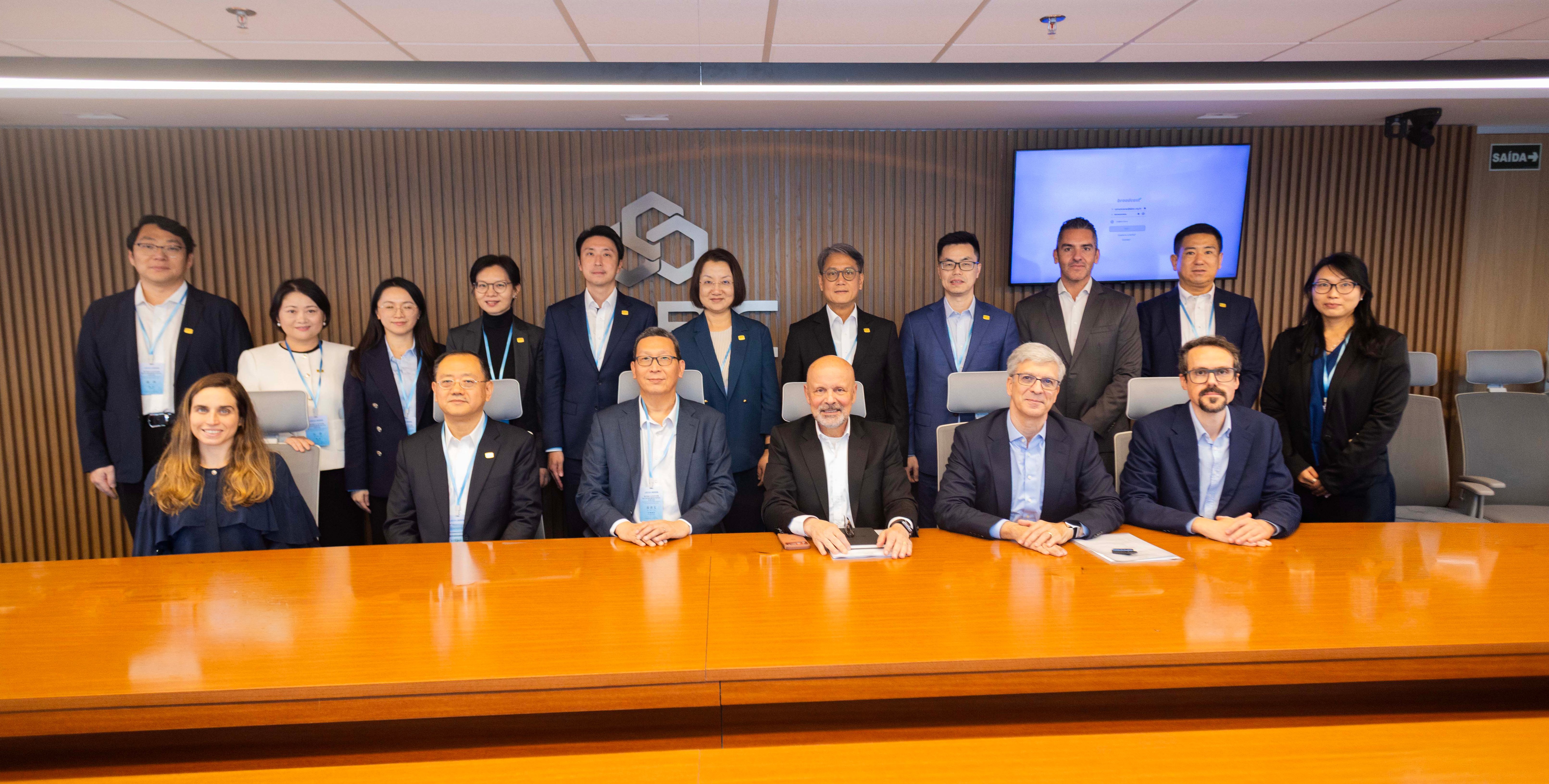
A ABBC (Associação Brasileira de Bancos) coordenou em outubro a programação da missão da Associação de Bancos de Macau (ABM) ao Brasil. A agenda reuniu representantes de instituições financeiras de Macau, autoridades, entidades do setor e instituições financeiras brasileiras. A missão dá continuidade ao acordo de cooperação assinado em 2024 – e ratificado em 2025 – entre a ABBC – Associação Brasileira de Bancos e a Associação de Bancos de Macau com o objetivo de fomentar, em conjunto, as relações comerciais entre a China e o Brasil, por meio dos bancos comerciais das regiões.
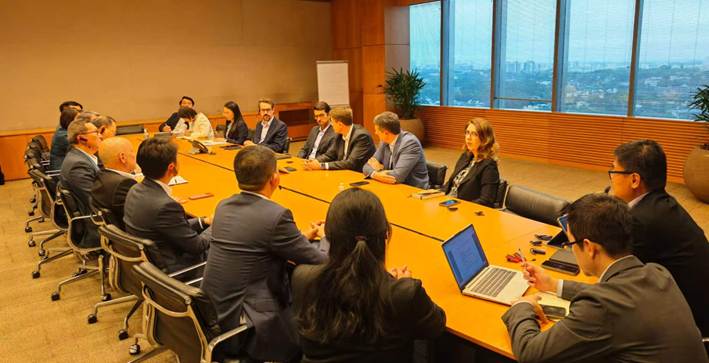
A delegação da ABM foi composta por 12 executivos de diferentes instituições bancárias de Macau, além de Vong Sin Man, presidente do Conselho da Autoridade Monetária de Macau, e Fan Yaosheng, presidente do Conselho da ABM. Ao longo da programação, o grupo participou de encontros com o Banco Central do Brasil (BCB), Open Finance Brasil, Febraban, representações diplomáticas chinesas, entidades empresariais e instituições financeiras. No Banco Central, a delegação foi recebida pelo presidente da autoridade monetária brasileira, Gabriel Galípolo.
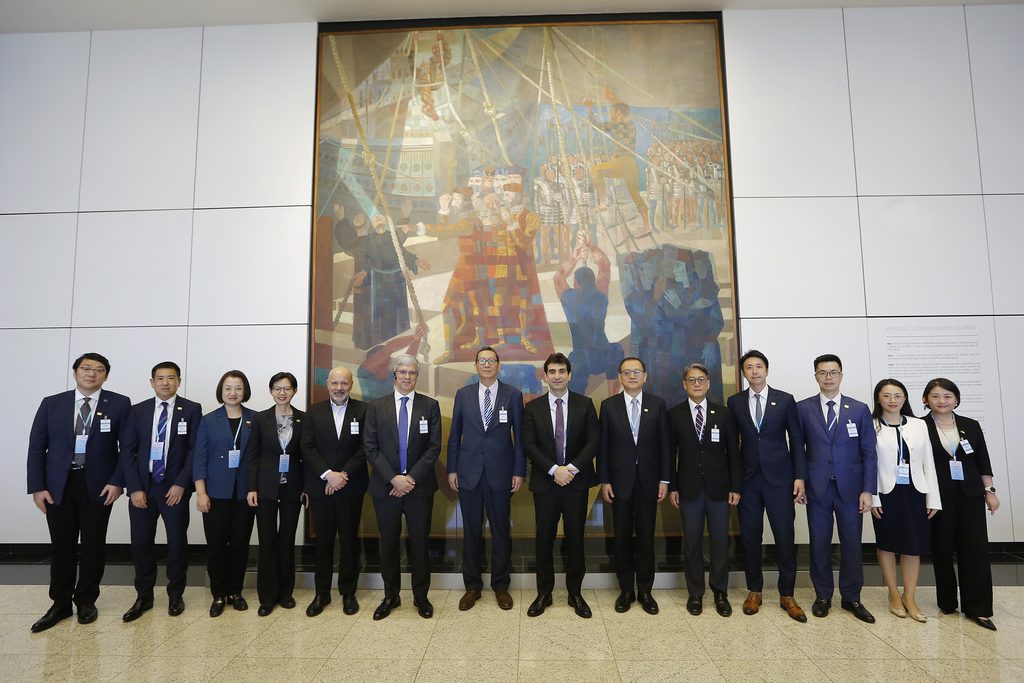
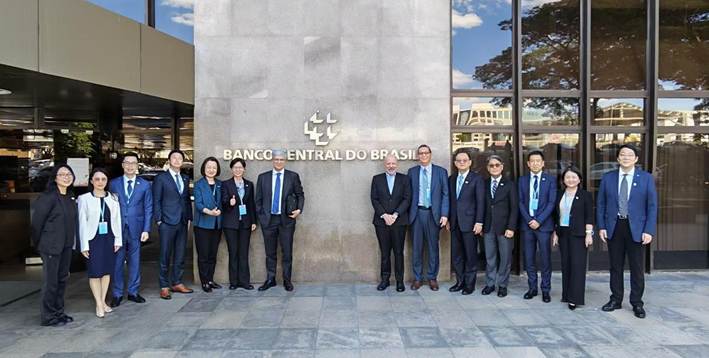
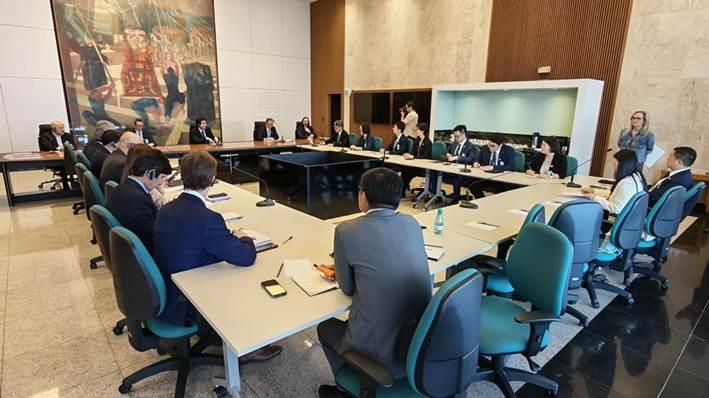
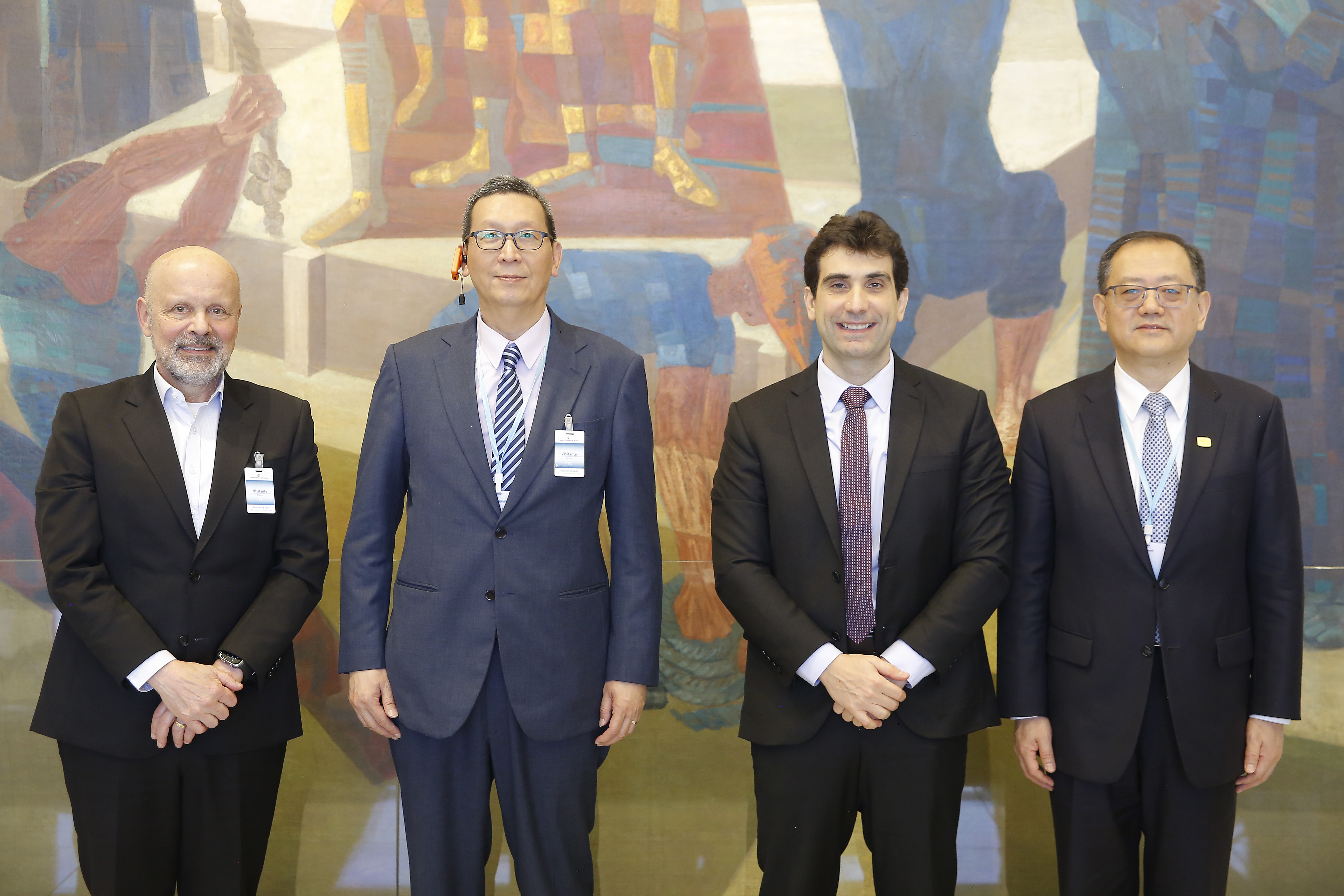
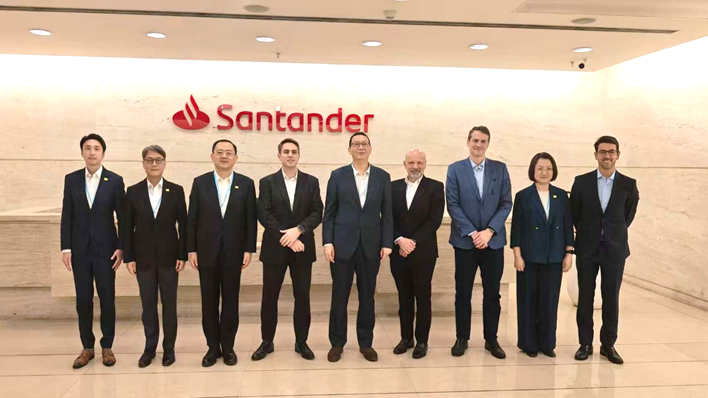
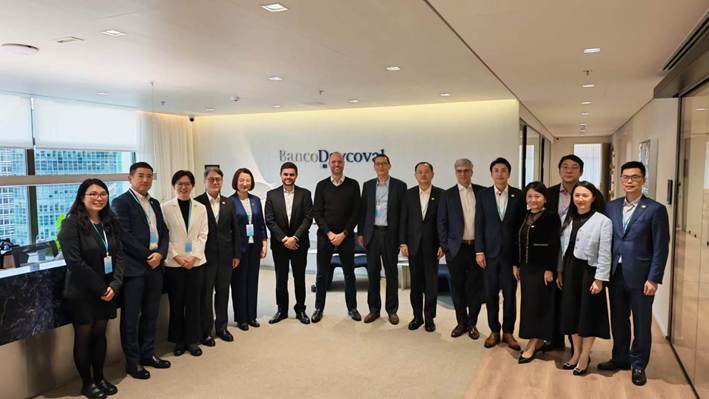
Entre as instituições visitadas estiveram Banco do Brasil e associadas da ABBC, como Santander, Banco ABC, Daycoval e BOCOM BBM. A programação permitiu à delegação conhecer diferentes aspectos do sistema financeiro brasileiro, incluindo sua arquitetura regulatória, infraestrutura de pagamentos, inovação, digitalização, Open Finance e perspectivas para o desenvolvimento de negócios transfronteiriços.
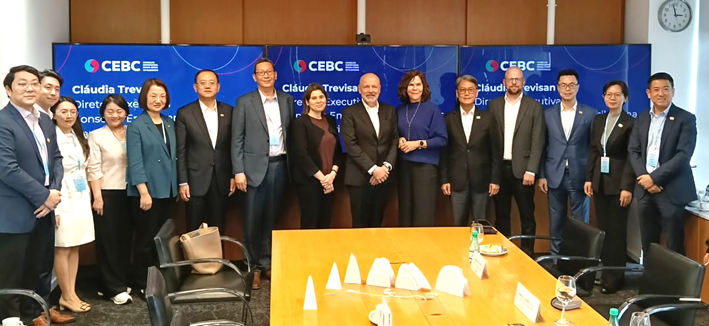
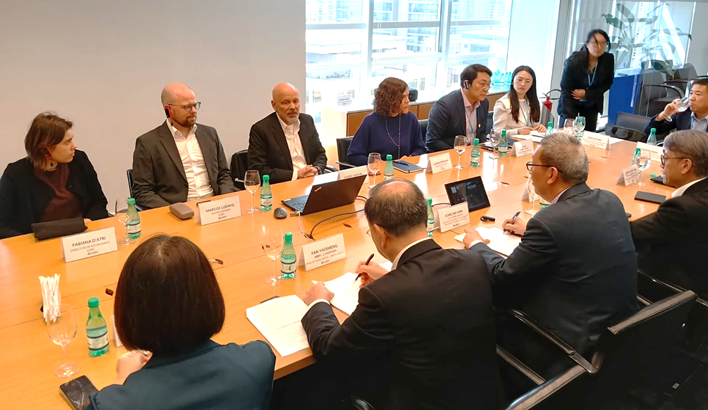
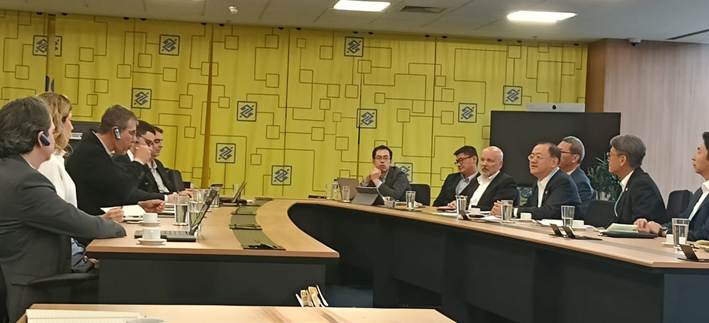
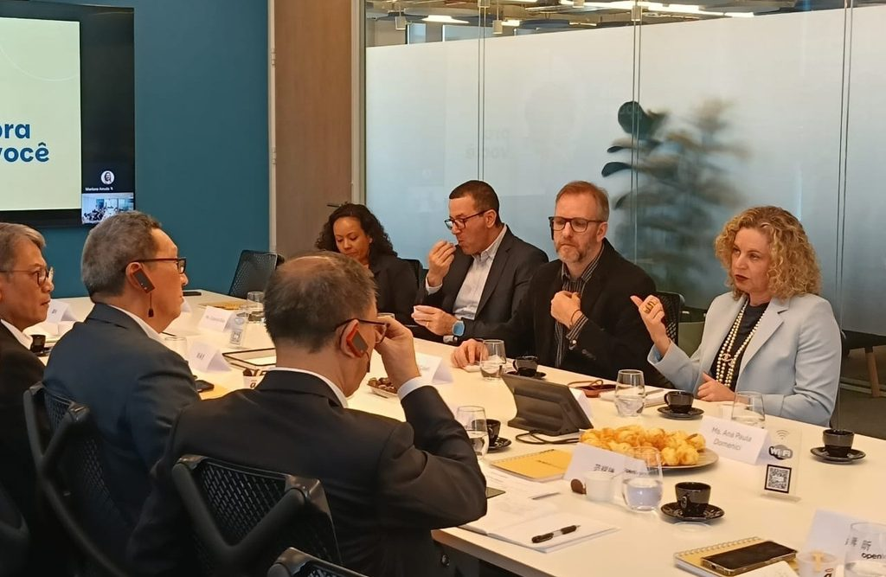
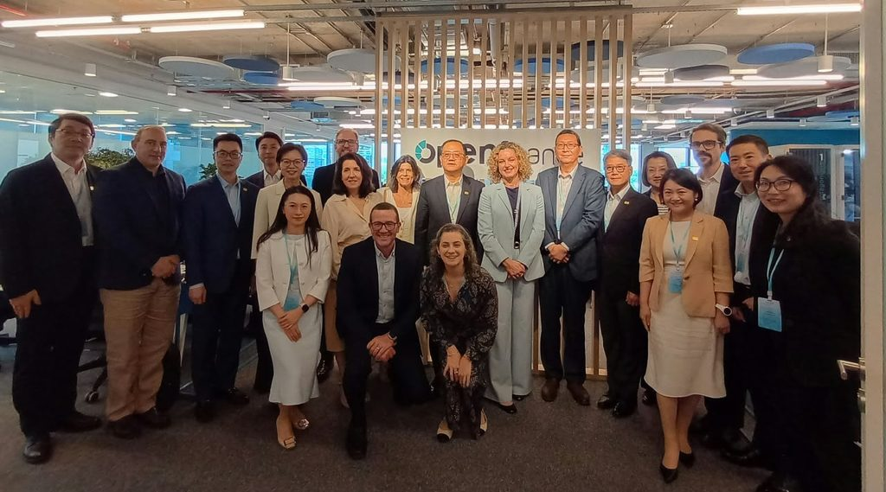
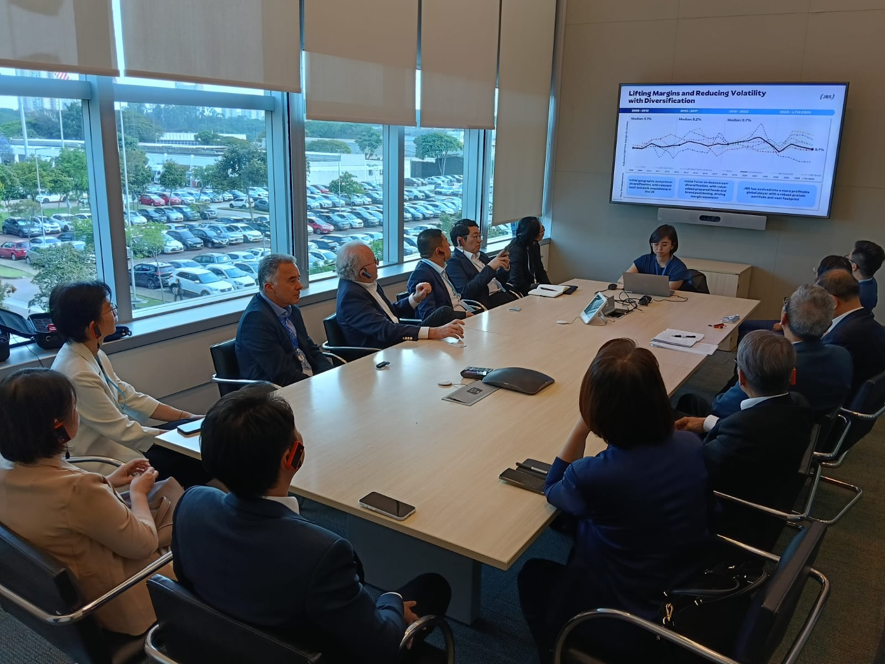
Na visita ao Banco Central do Brasil, a agenda incluiu discussões sobre cooperação em negócios e liquidação em renminbi (RMB), incluindo possibilidades de ampliação dos canais de financiamento e investimentos em títulos. Também foram abordadas oportunidades de cooperação com instituições financeiras brasileiras para o desenvolvimento de negócios transfronteiriços em RMB, além de moedas digitais de bancos centrais e possíveis oportunidades de cooperação relacionadas ao mBridge.
Outro tema discutido foi o das finanças sustentáveis, com foco no intercâmbio de experiências e em possibilidades de cooperação em financiamento verde e ESG. A delegação também tratou de possibilidades de estabelecimento de presença institucional e de operações entre as respectivas regiões, ampliando os canais de relacionamento entre instituições financeiras brasileiras e de Macau.
O interesse em pagamentos transfronteiriços esteve presente em diferentes momentos da missão. A delegação demonstrou especial interesse em conhecer o funcionamento do Pix, sua infraestrutura e os fatores que contribuíram para sua ampla adoção no mercado brasileiro. As discussões também contemplaram a possibilidade de ampliar a cooperação em soluções de pagamentos transfronteiriços entre o real e o renminbi.
O tema ganha relevância diante da intensidade das relações comerciais e de investimentos entre Brasil e China. Nesse contexto, a aproximação entre instituições financeiras dos dois mercados pode contribuir para identificar mecanismos e oportunidades capazes de apoiar empresas, investidores e instituições bancárias que atuam nas relações econômicas entre os dois países.
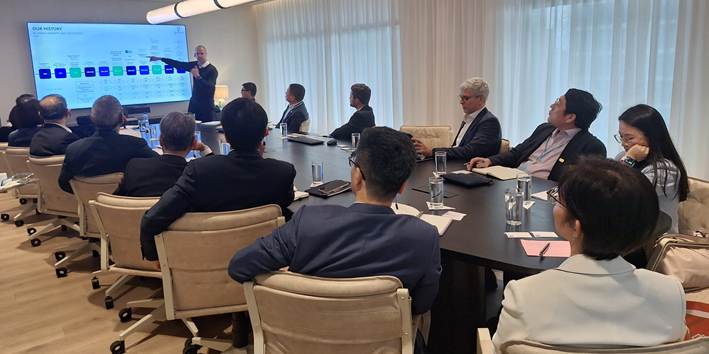
Na agenda realizada na ABBC, a delegação foi recebida por Cassio von Gal, Presidente do Conselho de Administração da ABBC; Leandro Vilain, membro do Conselho de Administração; Euricion Murari, diretor de Inovação e Serviços; Eduardo Merli, gerente de Conteúdo e Imprensa; e Cecília Machado, Chief Economist do BOCOM BBM.
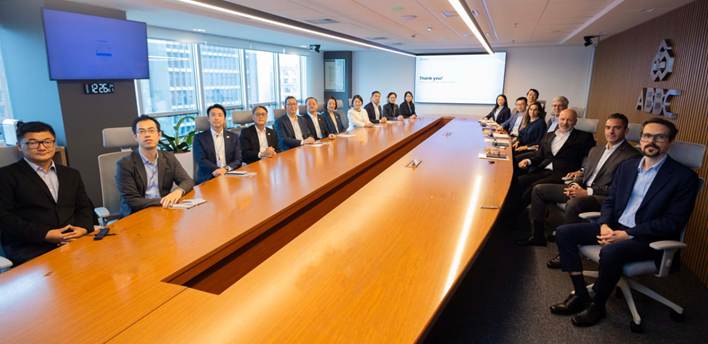
O encontro apresentou aos executivos de Macau uma visão sobre a evolução do sistema financeiro brasileiro e sobre o processo de transformação regulatória e tecnológica observado na última década. Entre os temas apresentados estiveram a arquitetura do sistema financeiro, a atuação do Banco Central, o Pix, o Open Finance, ativos digitais, tokenização, infraestrutura de crédito e a agenda de pagamentos transfronteiriços.
A apresentação também destacou a evolução da infraestrutura financeira brasileira e a interação entre reguladores e instituições do mercado no desenvolvimento de novas soluções. Nesse contexto, foram abordadas iniciativas como o Pix e o Open Finance, além de temas relacionados à tokenização de ativos, ao Drex e às possibilidades futuras de integração entre sistemas de pagamentos instantâneos.
A ABBC apresentou ainda sua atuação na representação institucional do setor e no acompanhamento de temas regulatórios e de interesse das instituições associadas. A Associação representa instituições financeiras de diferentes portes, com predominância das médias e pequenas, e atua em temas relacionados à competitividade, prevenção a fraudes, cibersegurança, inovação e desenvolvimento do sistema financeiro.
A missão incluiu ainda encontros com entidades e instituições ligadas às relações Brasil-China e ao ambiente financeiro, empresarial e institucional dos dois mercados. A programação permitiu aos participantes compartilhar experiências sobre regulação, inovação, pagamentos, financiamento, investimentos e desenvolvimento de negócios.
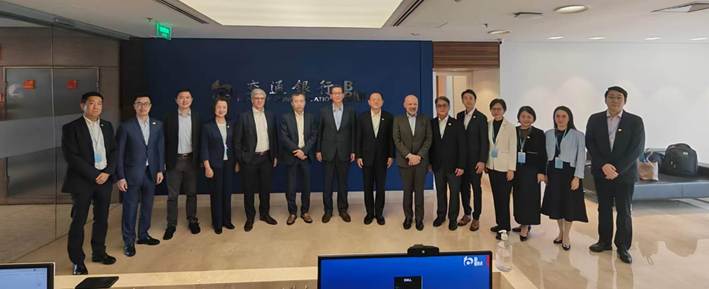
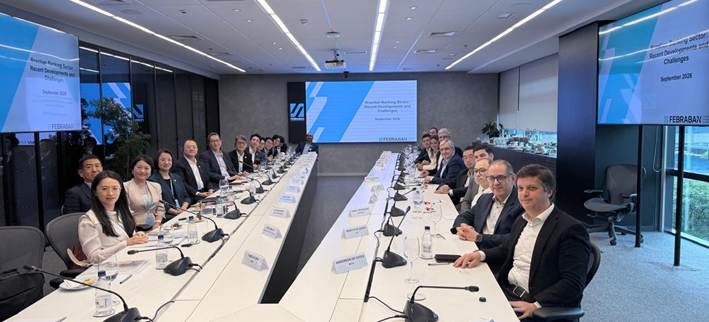
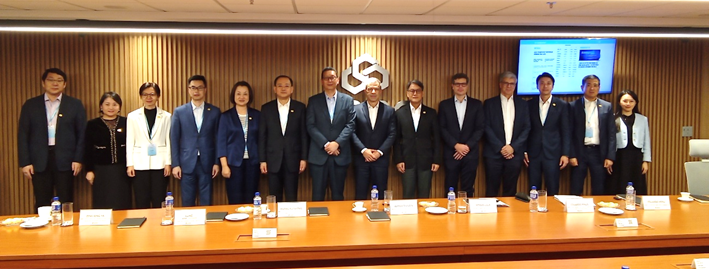
Para a ABBC, a aproximação com a ABM reforça a importância do diálogo internacional e do intercâmbio com instituições financeiras de outros mercados, especialmente em um cenário de transformação dos sistemas de pagamentos e de expansão das possibilidades de integração financeira. A missão também contribuiu para identificar temas de interesse comum e oportunidades para o aprofundamento das relações entre instituições brasileiras e de Macau.
Ao reunir autoridades, associações, instituições financeiras e representantes empresariais, a programação criou um ambiente para o intercâmbio de experiências sobre diferentes aspectos do sistema financeiro e para a discussão de possibilidades de cooperação. Entre os temas que permaneceram no radar das instituições estão pagamentos transfronteiriços, negócios em renminbi, inovação financeira, moedas digitais de bancos centrais, finanças sustentáveis e maior aproximação entre os mercados brasileiro e de Macau.
ABBC Coordinates Macau Banking Association Mission to Brazil
Program brought together authorities, industry organizations and financial institutions to promote the exchange of experiences and expand cooperation between the Brazilian and Macao financial systems
From October 5 to 12, ABBC (Brazilian Association of Banks) coordinated the program for the mission of the Macau Association of Banks (ABM) to Brazil. The agenda brought together representatives of financial institutions from Macao, government authorities, industry organizations and Brazilian financial institutions. The travel of the delegation to Brazil follows an agreement between ABBC and ABM with the aim to foster the China-Brazil business and a commerce relationship, through comecial banks of both regions.
The ABM delegation comprised 12 executives from different banking institutions in Macao, as well as Vong Sin Man, Chairman of the Board of the Monetary Authority of Macao, and Fan Yaosheng, Chairman of the Board of the ABM. Throughout the program, the group participated in meetings with the Central Bank of Brazil (BCB), Open Finance Brasil, Febraban, Chinese diplomatic representatives, business organizations and financial institutions.
Among the institutions visited were Banco do Brasil and ABBC member institutions, including Santander, Banco ABC, Daycoval and BOCOM BBM. The program enabled the delegation to learn about different aspects of the Brazilian financial system, including its regulatory architecture, payments infrastructure, innovation, digitalization, Open Finance and prospects for the development of cross-border business.
During the visit to the Central Bank of Brazil, the agenda included discussions on business cooperation and settlement in renminbi (RMB), including possibilities for expanding financing channels and investments in securities. The discussions also addressed opportunities for cooperation with Brazilian financial institutions to develop cross-border business in RMB, as well as central bank digital currencies and potential cooperation opportunities related to mBridge.
Sustainable finance was another topic discussed, with a focus on the exchange of experiences and potential cooperation in green and ESG financing. The delegation also discussed possibilities for establishing an institutional presence and conducting operations between the respective regions, expanding channels of engagement between Brazilian and Macao financial institutions.
Interest in cross-border payments was present at different points throughout the mission. The delegation showed particular interest in understanding how Pix operates, its infrastructure and the factors that have contributed to its widespread adoption in the Brazilian market. The discussions also covered the possibility of expanding cooperation on cross-border payment solutions between the Brazilian real and the renminbi.
The topic is particularly relevant given the intensity of trade and investment relations between Brazil and China. In this context, closer ties between financial institutions in the two markets may help identify mechanisms and opportunities to support companies, investors and banking institutions engaged in the economic relations between the two countries.
During the meeting held at ABBC, the delegation was received by Cassio von Gal, Chairman of the Association’s Board of Directors; Leandro Vilain, member of the Board of Directors; Euricion Murari, Director of Innovation and Services; Eduardo Merli, Content and Press Manager; and Cecília Machado, Chief Economist at BOCOM BBM.
The meeting provided Macao executives with an overview of the evolution of the Brazilian financial system and the regulatory and technological transformation observed over the past decade. Topics presented included the financial system architecture, the role of the Central Bank, Pix, Open Finance, digital assets, tokenization, credit infrastructure and the cross-border payments agenda.
The presentation also highlighted the evolution of Brazil’s financial infrastructure and the interaction between regulators and market institutions in the development of new solutions. In this context, initiatives such as Pix and Open Finance were discussed, along with topics related to asset tokenization, Drex and future possibilities for integration between instant payment systems.
ABBC also presented its role in the institutional representation of the sector and in monitoring regulatory issues and topics of interest to its member institutions. The Association represents financial institutions of different sizes, with a predominance of medium-sized and smaller institutions, and works on issues related to competitiveness, fraud prevention, cybersecurity, innovation and the development of the financial system.
The mission also included meetings with organizations and institutions involved in Brazil-China relations and in the financial, business and institutional environments of the two markets. The program enabled participants to share experiences on regulation, innovation, payments, financing, investment and business development.
For ABBC, closer ties with the ABM reinforce the importance of international dialogue and engagement with financial institutions from other markets, particularly amid the transformation of payment systems and the expansion of opportunities for financial integration. The mission also helped identify areas of common interest and opportunities to deepen relations between Brazilian and Macao institutions.
By bringing together authorities, associations, financial institutions and business representatives, the program created an environment for exchanging experiences on different aspects of the financial system and discussing potential areas of cooperation. Topics that remain on the institutions’ agenda include cross-border payments, renminbi-denominated business, financial innovation, central bank digital currencies, sustainable finance and closer ties between the Brazilian and Macao markets.


